Renovations always sound straightforward—until they aren’t.
On paper, the layout looks clean. The ceiling heights seem workable. The mechanical routes appear simple enough. Then demolition starts, and suddenly nothing matches the drawings. A beam is lower than expected. Utilities run where no one planned. The schedule tightens. The budget stretches.
For commercial property owners across the United States, this scenario is far too common. And almost every time, the root cause is the same:
Inaccurate existing conditions.
That’s why more owners and developers are turning to LiDAR scanning before renovation work begins. Not as a nice-to-have—but as a necessity.
Why Renovations Are Riskier Than New Construction
New construction starts with a blank slate. Renovations don’t.
Commercial buildings—especially those in urban markets, legacy retail corridors, and older industrial zones—have histories. They’ve been modified, repaired, expanded, and patched over decades. Drawings rarely tell the full story.
For U.S. property owners, renovation risk typically comes from:
- Outdated or missing as-built drawings
- Hidden structural elements
- Unmapped utilities and systems
- Inconsistent ceiling heights and slab slopes
- Field conditions that don’t match documentation
Without accurate data, every renovation decision carries uncertainty.
What LiDAR Scanning Solves Before Renovation Begins
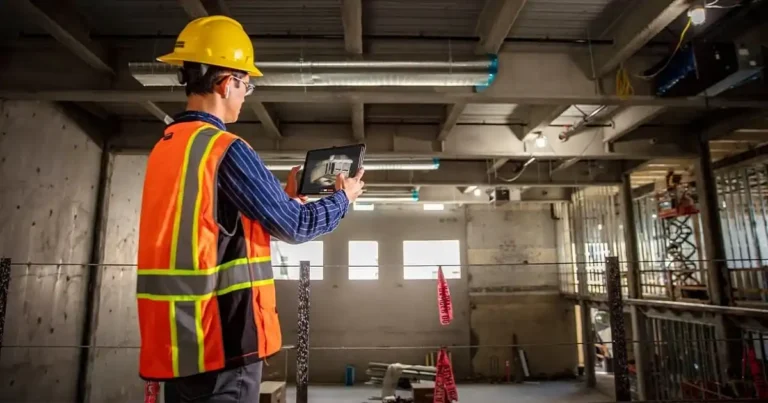
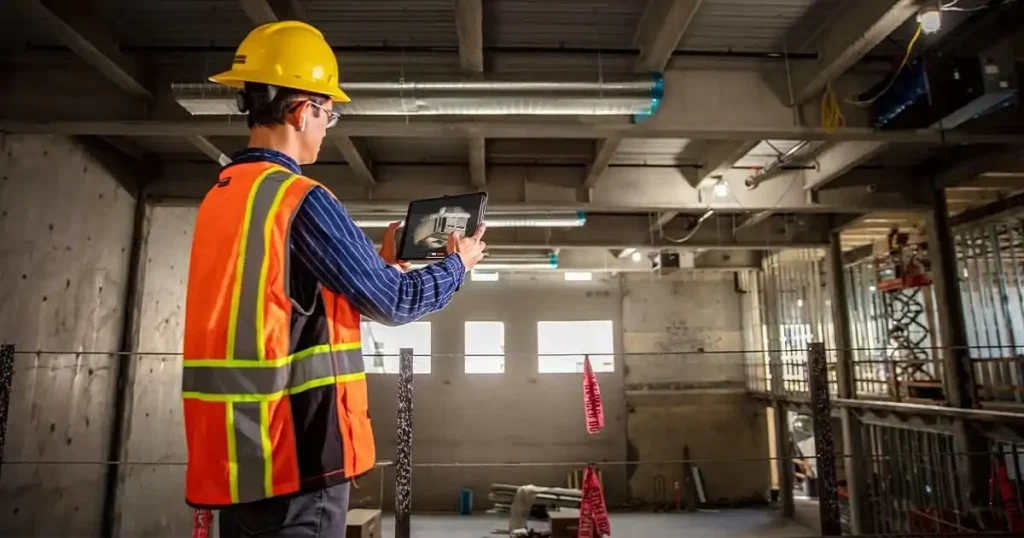
LiDAR scanning captures a building exactly as it exists today. Every surface, edge, opening, and obstruction is recorded using laser-based measurement—accurate to fractions of an inch.
Instead of relying on assumptions or partial surveys, owners and project teams receive a true 3D record of the space.
At FirstLook Services, that data is processed into organized point clouds and, when required, converted into Revit models ready for design and coordination.
🔗 Learn more about our LiDAR scanning and Revit modeling services:
👉 https://firstlookservice.com/services/lidar-scanning-revit-model-creation/
Why Existing Conditions Matter More in Renovations
In renovation projects, design decisions are constrained by what already exists. Every inch matters.
When existing conditions are wrong:
- Designs have to be reworked mid-stream
- Trades clash in the field
- Change orders pile up
- Schedules stretch longer than expected
LiDAR scanning removes that uncertainty before design begins. Architects and engineers work with real geometry. Contractors plan installations with confidence. Owners gain predictability.
A Common Renovation Scenario (And How LiDAR Prevents It)
A retail owner plans to convert an older commercial space into a modern showroom. Legacy drawings show open ceilings and clear spans. Once demolition begins, unexpected structural elements appear. Mechanical routing becomes a challenge. Lighting plans no longer work.
Now imagine the same project starting with a LiDAR scan.
Those structural elements are identified early. Ceiling heights are verified. Systems are routed digitally. Problems are solved in the model—before construction ever starts.
That’s the difference accurate existing conditions make.
Why Property Owners Across the U.S. Are Adopting LiDAR
From office renovations in the Northeast to warehouse conversions in the Midwest and retail repositioning in the South and West, LiDAR scanning is becoming standard practice.
Owners benefit because:
- Renovation budgets become more predictable
- Fewer surprises appear during construction
- Design timelines compress
- Long-term documentation improves asset value
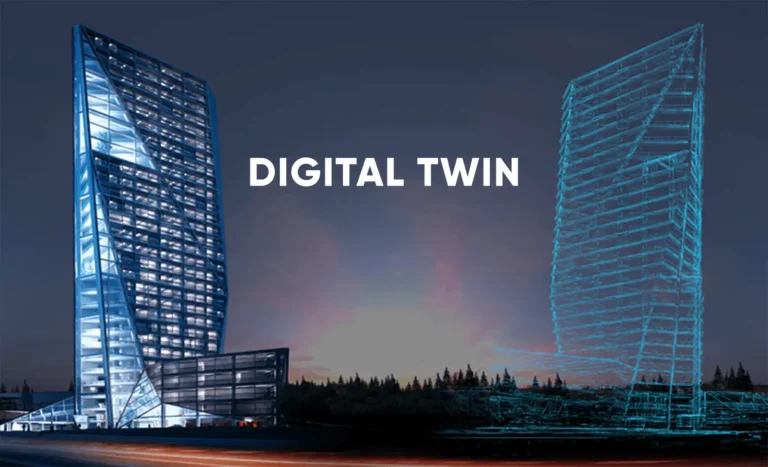
In many cases, the scan becomes the foundation for a digital twin, supporting future renovations and maintenance planning.
How LiDAR Supports Smarter BIM Coordination
Renovations often involve dense systems packed into limited space. That’s where BIM coordination becomes critical—but only if the model is accurate.
LiDAR-based models ensure BIM coordination reflects reality. Conflicts are identified early. Routing decisions are informed. Trades align before installation begins.
🔗 Explore how FirstLook supports BIM coordination:
👉 https://firstlookservice.com/services/bim-coordination/
Renovations Across Different U.S. Markets
Renovation challenges vary by region, but the need for accurate documentation doesn’t.
- Urban markets: Tight spaces, stacked systems, limited access
- Suburban retail: Mixed documentation quality, phased renovations
- Industrial conversions: Heavy infrastructure and legacy systems
LiDAR scanning adapts to each environment while maintaining accuracy and consistency.
How FirstLook Supports Renovation Projects Nationwide
FirstLook Services partners with property owners, developers, architects, and contractors across the U.S. to reduce renovation risk through:
- On-site LiDAR scanning of existing buildings
- Point cloud processing and registration
- Revit model creation tailored to renovation scope
- BIM coordination support
- Clean, organized deliverables built for real-world construction
We focus on clarity—so renovation teams can focus on execution.
🔗 View all FirstLook Services offerings:
👉 https://firstlookservice.com/services/
The Quiet Advantage of Starting with a Scan
LiDAR scanning doesn’t eliminate every renovation challenge—but it removes the most dangerous ones: the unknowns.
Projects move forward with fewer interruptions. Design teams stop guessing. Construction teams stop reacting. Owners stop getting unpleasant surprises.
That’s a smarter way to renovate.
Final Takeaway
Renovations don’t fail because buildings are old.
They fail because information is incomplete.
LiDAR scanning gives U.S. property owners a clearer picture before renovation begins—turning risk into foresight and uncertainty into control.
Ready to Renovate with Confidence?
If you’re planning a commercial renovation anywhere in the United States, start with accurate existing conditions—not assumptions.
👉 Contact FirstLook Services to schedule a LiDAR scan or discuss renovation support:
🔗 https://firstlookservice.com/contact/