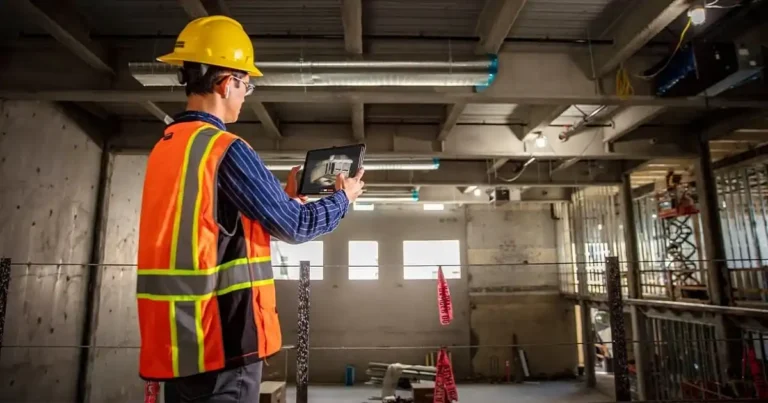
Every commercial contractor has lived this moment.
Steel is up. Framing is moving. Then mechanical shows up—and suddenly ductwork is fighting for space with a beam. Electrical wants a pathway that doesn’t exist. Plumbing needs a slope that clashes with structure. Progress slows, tempers flare, and the schedule starts to bleed.
This isn’t bad construction.
It’s bad coordination.
Across the United States, commercial builders are realizing that BIM coordination services aren’t just helpful—they’re essential. Especially as projects become more complex and margins tighter heading into 2026.
Why Coordination Is the Weakest Link in Commercial Construction
Most construction failures don’t come from poor execution. They come from misalignment.
Each trade often works from its own set of drawings, timelines, and assumptions. On paper, everything looks fine. In the field, reality hits hard.
Common coordination breakdowns include:
- MEP systems clashing with structural elements
- Ceiling heights reduced unexpectedly
- Access issues for maintenance discovered too late
- Field rework that could have been avoided digitally
When coordination happens on the jobsite instead of in a model, costs rise fast.
What BIM Coordination Actually Is (And Isn’t)
BIM coordination isn’t about flashy 3D graphics or marketing visuals. It’s about problem prevention.
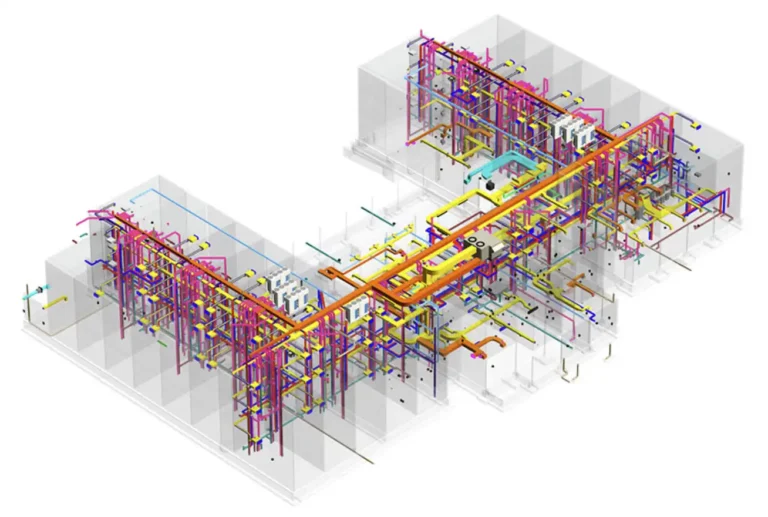
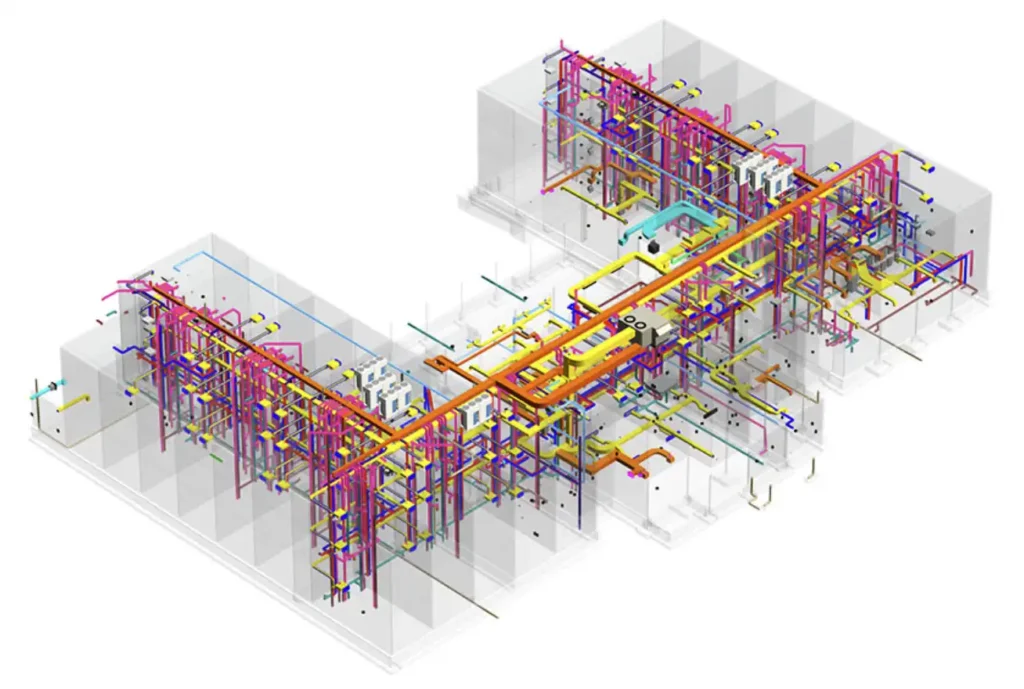
True BIM coordination brings architectural, structural, mechanical, electrical, and plumbing models into one shared environment—typically using Revit and coordination tools like Navisworks.
Conflicts are identified early. Solutions are agreed on digitally. The field team builds with clarity instead of confusion.
At FirstLook Services, BIM coordination is treated as a construction tool—not a design luxury.
🔗 Learn more about our BIM coordination services:
👉 https://firstlookservice.com/services/bim-coordination/
Why BIM Coordination Is Critical for U.S. Commercial Projects in 2026
Construction in the U.S. is changing:
- More renovations and adaptive reuse projects
- Denser mechanical systems
- Shorter schedules and tighter budgets
- Increased owner expectations
That combination leaves no room for reactive problem-solving.
BIM coordination allows teams to resolve issues before they cost real money. For nationwide builders managing projects in multiple regions, that consistency matters.
How BIM Coordination Saves Time and Money
The financial impact of poor coordination is rarely obvious at first. It shows up gradually:
- Extra labor hours
- Material waste
- Schedule delays
- Strained relationships between trades
BIM coordination flips the equation:
- Clashes are resolved digitally
- RFIs decrease significantly
- Prefabrication becomes possible
- Schedules stabilize
Instead of reacting in the field, teams make informed decisions early.
Why BIM Coordination Works Best with Accurate Existing Conditions
Coordination only works if the model reflects reality.
That’s why BIM coordination is most effective when paired with LiDAR scanning. Without accurate existing conditions, coordination models still rely on assumptions.
By starting with LiDAR-based models, builders ensure that coordination reflects what’s actually on site—not what legacy drawings suggest.
🔗 See how LiDAR and BIM work together:
👉 https://firstlookservice.com/services/lidar-scanning-revit-model-creation/
BIM Coordination Across Different U.S. Markets
Whether you’re building in a dense urban environment or a sprawling industrial campus, the coordination challenges are different—but the solution is the same.
- Northeast: Tight spaces, older buildings, complex retrofits
- Midwest: Large-scale industrial and warehouse projects
- South & West: Fast-paced development with aggressive timelines
BIM coordination provides a standardized process that adapts to each environment while maintaining accuracy and control.
How Contractors Gain a Competitive Edge
One of the biggest advantages of BIM coordination isn’t operational—it’s strategic.
Contractors who invest in coordination early:
- Submit more confident bids
- Reduce contingency padding
- Build trust with owners
- Deliver projects with fewer surprises
In competitive U.S. markets, that confidence often wins work before construction even begins.
How FirstLook Supports BIM Coordination Nationwide
FirstLook Services partners with contractors, developers, architects, and engineers across the U.S. to support coordination efforts through:
- BIM model aggregation across disciplines
- Clash detection and resolution workflows
- Coordination meeting support
- Clean, construction-ready deliverables
- Integration with LiDAR-based existing conditions
We don’t just run software—we help teams make decisions that keep projects moving.
🔗 View all FirstLook Services:
👉 https://firstlookservice.com/services/
The Real Value of Coordination (That Doesn’t Show Up in Photos)
When BIM coordination is done right, it’s almost invisible.
There are fewer emergencies.
Fewer last-minute changes.
Fewer arguments on site.
Work flows. Crews stay productive. Schedules hold.
That quiet efficiency is what contractors across the United States are prioritizing heading into 2026.
Final Takeaway
BIM coordination isn’t about technology—it’s about alignment.
In 2026, commercial projects demand clarity across every trade. Builders who coordinate digitally build more efficiently, protect their margins, and deliver better outcomes for owners.
Ready to Coordinate Smarter?
If you’re planning a commercial project anywhere in the U.S., now is the time to bring coordination into preconstruction—not the jobsite.👉 Contact FirstLook Services to discuss BIM coordination and LiDAR support for your next project:
🔗 https://firstlookservice.com/contact/