Every older building has a story.
And most of those stories are poorly documented.
Somewhere between hand-drawn blueprints, outdated CAD files, and half-remembered renovations, the truth about how a building actually exists today gets lost. For property owners, facility managers, and developers across the United States, that missing information becomes a liability—especially when it’s time to renovate, expand, or maintain the asset.
That’s where digital twins come in.
Digital twins aren’t just the next buzzword in construction technology. They’re the modern replacement for unreliable as-built drawings—and they’re rapidly becoming the standard for managing existing buildings in 2026 and beyond.
The Problem with Traditional As-Built Drawings
As-built drawings were never meant to be perfect. They were snapshots—often incomplete—captured at the end of construction. Over time, buildings change. Systems are rerouted. Walls move. Equipment gets replaced.
Yet years later, teams are still expected to rely on those same drawings.
Across U.S. commercial properties, the most common documentation issues include:
- Missing or outdated as-builts
- Inconsistent revisions across disciplines
- No record of post-construction modifications
- Limited usefulness for renovation or maintenance planning
When documentation doesn’t match reality, every decision carries risk.
What a Digital Twin Actually Is
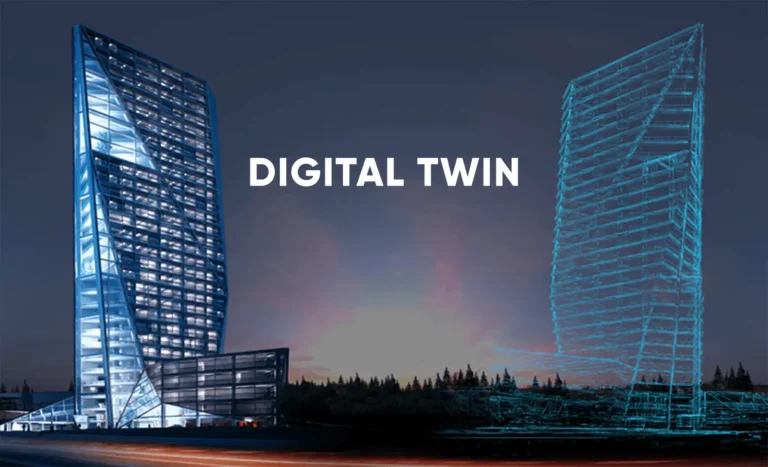
A digital twin is a living, accurate 3D representation of a building—created using LiDAR scanning and BIM modeling.
Unlike static drawings, a digital twin reflects the building as it exists today. Every wall, beam, ceiling height, system route, and spatial relationship is modeled with precision and can be referenced long after construction is complete.
At FirstLook Services, digital twins are built by:
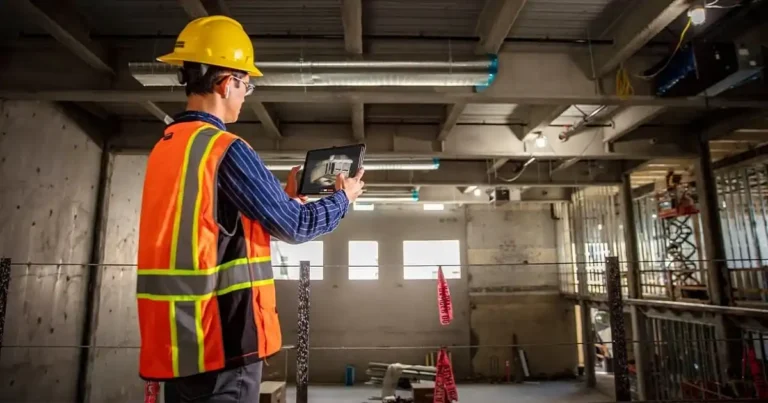
- Capturing existing conditions with LiDAR scanning
- Processing and registering point cloud data
- Converting that data into usable Revit models
- Coordinating systems for long-term accuracy
🔗 Learn how we create LiDAR-based digital twins:
👉 https://firstlookservice.com/services/lidar-scanning-revit-model-creation/
Why Digital Twins Are Replacing As-Builts Nationwide
Across the United States, owners and operators are realizing that traditional documentation no longer supports modern building demands.
Digital twins offer:
- Accurate spatial data for renovations and expansions
- Clear visibility into MEP systems
- A single source of truth across teams
- Long-term asset documentation that evolves over time
For older buildings especially, digital twins close the gap between history and reality.
Digital Twins and Smarter Building Management
Digital twins don’t just support construction—they support operations.
Facility managers can:
- Locate systems without invasive inspections
- Plan maintenance and upgrades efficiently
- Reduce downtime during repairs
- Improve coordination with vendors and contractors
For large portfolios, digital twins create consistency across properties—no matter their age or location.
Renovations Become Predictable Instead of Risky
Renovating an older building without accurate data is like operating blind.
With a digital twin:
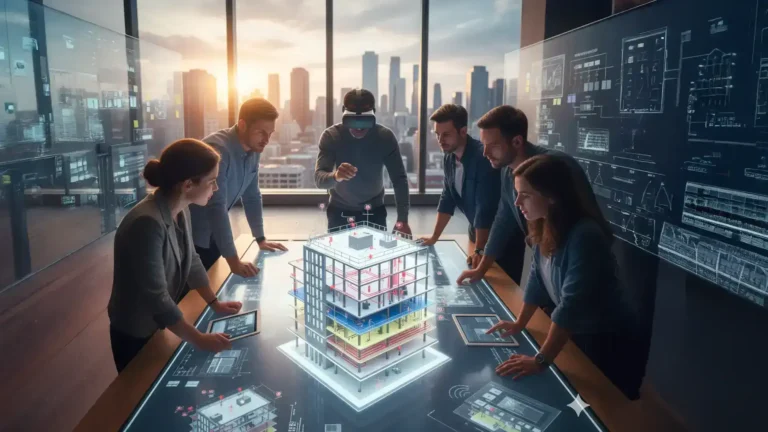
- Design teams work from real geometry
- Conflicts are resolved digitally
- Budgets become more predictable
- Schedules stabilize
This is especially valuable in U.S. markets with aging infrastructure, adaptive reuse projects, and historic properties.
Why LiDAR Is the Foundation of a Reliable Digital Twin
A digital twin is only as accurate as the data behind it.
That’s why LiDAR scanning is essential. LiDAR captures millions of precise measurements, eliminating assumptions and manual errors. Without it, models rely on interpretation—not truth.
FirstLook uses LiDAR as the starting point for every digital twin, ensuring long-term reliability.
🔗 Explore FirstLook’s BIM and coordination services:
👉 https://firstlookservice.com/services/bim-coordination/
Digital Twins Across U.S. Property Types
Digital twins are being adopted across nearly every commercial sector:
- Office buildings and campuses
- Healthcare and education facilities
- Retail and mixed-use developments
- Industrial and warehouse properties
Each use case benefits from the same core advantage: clarity.
How FirstLook Helps Modernize Existing Buildings
FirstLook Services supports property owners and project teams nationwide with:
- LiDAR scanning of existing conditions
- Point cloud processing and management
- Revit-based digital twin creation
- BIM coordination and long-term documentation
- Scalable solutions for single buildings or portfolios
Our focus is on building models that teams actually use—not files that sit on a server.
🔗 View all FirstLook Services:
👉 https://firstlookservice.com/services/
The Quiet Value of a Digital Twin
Digital twins don’t eliminate every challenge—but they remove the most dangerous one: uncertainty.
Teams stop guessing.
Decisions are made faster.
Renovations feel manageable.
That’s why digital twins are becoming standard practice heading into 2026.
Final Takeaway
As-built drawings tell you how a building used to be.
Digital twins show you how it is—and how it can evolve.
For owners of older buildings across the United States, digital twins are no longer optional. They’re essential.
Ready to Modernize Your Building Documentation?
If you’re managing, renovating, or planning the future of an existing property, now is the time to move beyond outdated as-builts.
👉 Contact FirstLook Services to create a LiDAR-based digital twin for your building:
🔗 https://firstlookservice.com/contact/